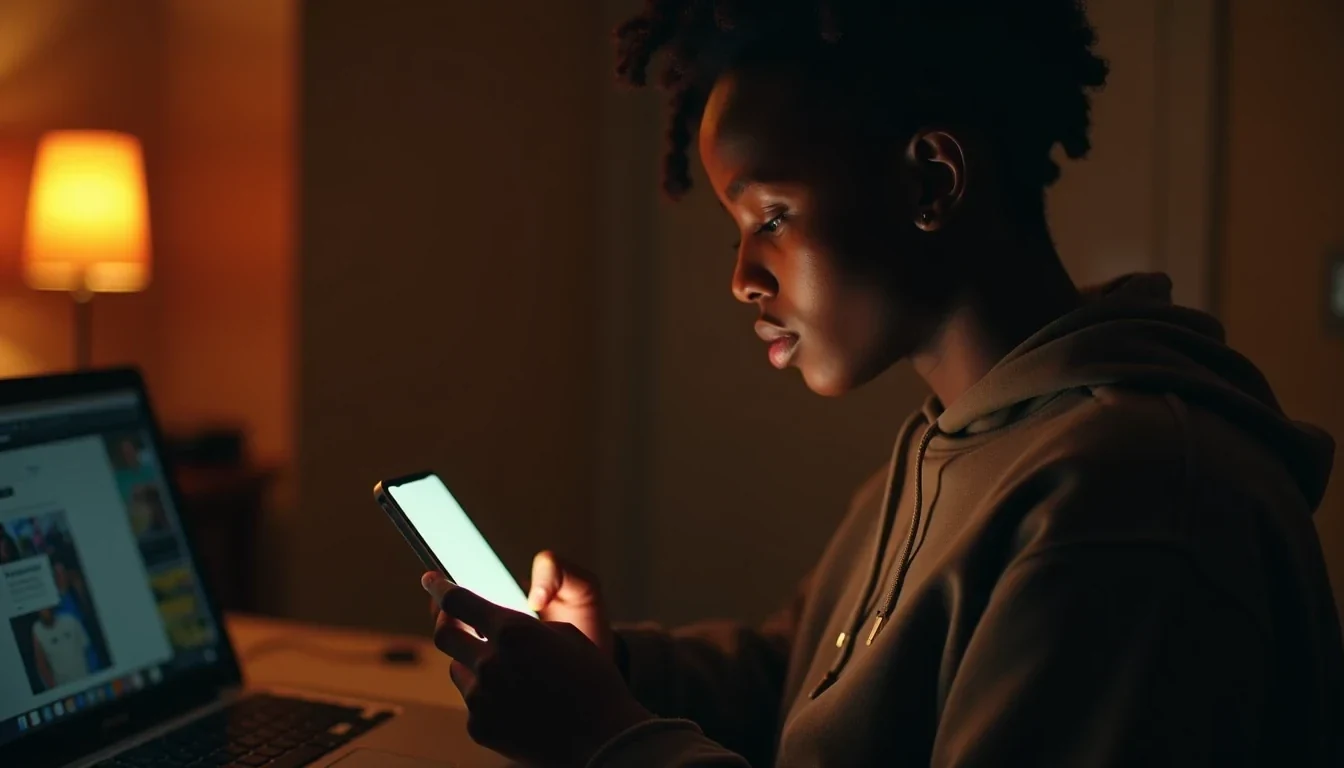
A 21-year-old in Soweto with 3,000 Instagram followers can now earn more from a single branded post than from a week of retail work. The money moving through South Africa’s creator economy has reached a scale that no longer fits in the informal economy’s blind spot, and SARS has stopped pretending otherwise.
Local platforms have built the plumbing that makes this possible. One early mover, theSalt, has run since 2010. It has channelled more than R72 million to nano- and micro-influencers it brands “Real Influencers,” matching them with campaigns from banks, fast-food chains, fashion labels and pet brands. Another major player is Simple Influence, holding a roster of over 12,000 creators across Instagram, TikTok and YouTube, pricing fixed campaigns and promotional clusters anywhere from R725 to R15,000. Webfluential layers on built-in quoting tools and an academy that certifies creators for pitching to African and international brands. Service Insider connects anyone with 1,000-plus followers to service brands for reviews, vouchers, user-generated content and paid campaigns.
How the commissions break down
Brand affiliate programs operate on performance, and the rates vary sharply by sector. Superbalist starts affiliates at 10% commission, scaling to 15% for top performers who also get product seeding and exclusive discount codes. FitFlop South Africa pays 20% through a unique 30%-off digital code that doubles as tracking. Curaloe SA targets wellness and beauty creators with commission plus skincare gifting. Perennity takes a different shape entirely: its insurance and financial referral system pays roughly 4% of gross monthly premiums as recurring passive income, a model that rewards patience over viral moments.
Crypto enters the mix
Beyond rands and product perks, some creators are now earning in digital assets. The Spin Cartel Crypto Earning Program lets influencers generate cryptocurrency by sharing a single link tied to qualifying activity over time, with monthly payouts and Silver-to-Diamond tiers. Top earners have found traction posting links in local social media groups. The platform runs instant registration, 24/7 AI-assisted support, auto language and geo-targeting, plus real-time live tracking. This feature set shows where these programs are heading: less manual management, more automated passivity.
What SARS sees when it looks at your DMs
The revenue service’s position is unambiguous. All influencer earnings, cash or otherwise, fall under taxable gross income. This includes direct payments, foreign platform payouts in dollars or other currencies, and the monetary value of in-kind perks. Free gadgets, sponsored trips, PR hampers are not gifts in SARS’s framework. They are compensation, and creators must track and declare their fair market value.
The practical implications bite hardest on creators who have treated their income as invisible. Foreign platform payouts must be converted to rand at the applicable exchange rate on receipt. Cryptocurrency earnings, including those from programs like Spin Cartel, face the same declaration requirement. The creator who accepted a free phone for review, a weekend away for content, or a monthly box of products must assign each a rand value and add it to the return.
What compliance actually looks like
Creators who stay out of trouble run their channels like small businesses. A dedicated bank account separates personal from commercial flows. Detailed records capture date, payer, amount and nature of every receipt. In-kind perks get valued at retail price or market cost. Legitimate business expenses like equipment, software, internet, work travel, and professional development are logged for potential deduction.
Provisional tax obligations kick in once earnings cross the threshold, requiring estimated payments in instalments through the year. For creators with diverse income streams or significant growth, professional tax advice moves from optional to necessary. The penalty for guessing wrong exceeds the cost of getting it right.
The creator economy in South Africa has matured from side-hustle curiosity to genuine income alternative. The platforms exist, the money flows, and the tax authority watches. The only question remaining is whether individual creators treat their work with the seriousness it now demands.