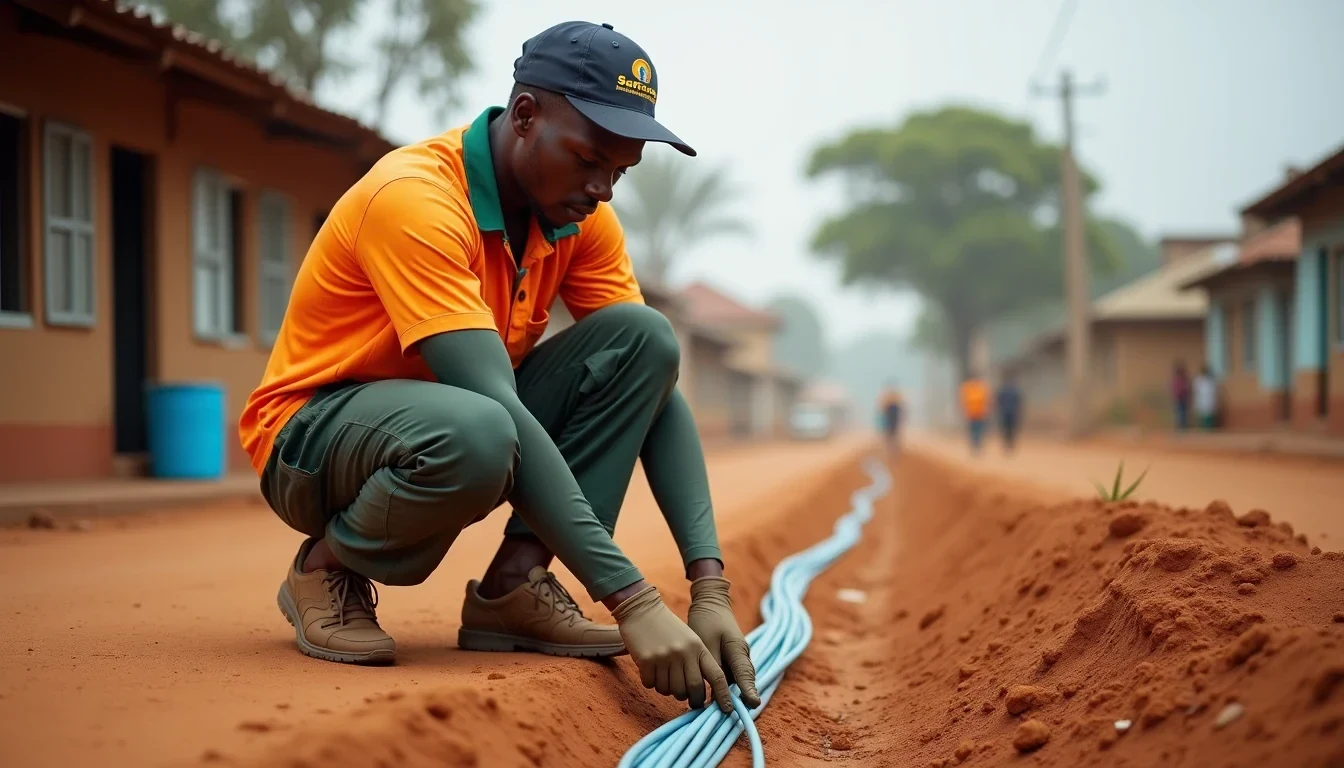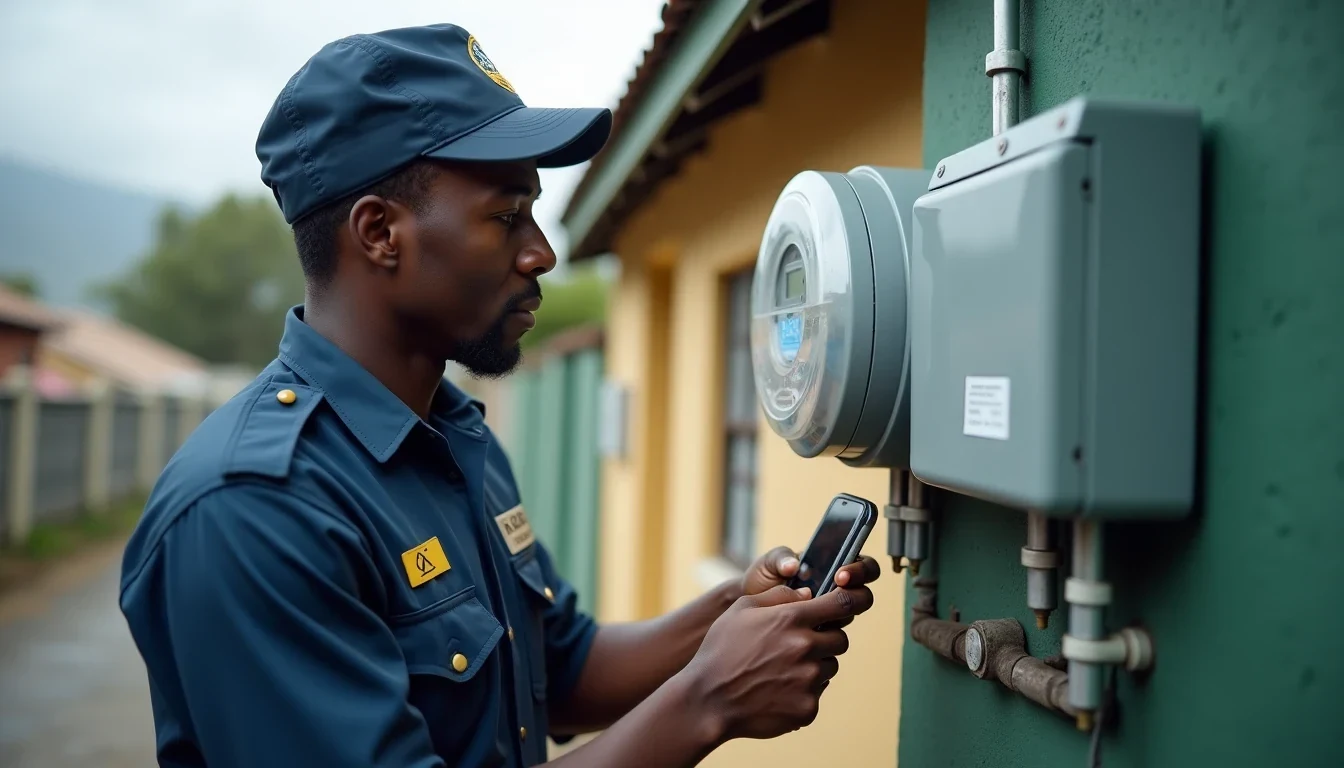

Your phone shows four bars, but the call drops anyway. The page will not load. This is the shape of South Africa’s network resilience in 2025: R814.5 million spent on backup power in a single year, yet the familiar frustration of signal without service persists.
Telecommunications licensees filed their equipment purchases for the twelve months ending September 2025 with the regulator. The numbers tell a story of frantic preparation. Batteries swallowed R387.7 million across 84,829 units. Generators absorbed R426.8 million for 1,969 machines. Both categories rose sharply from 2024 levels. The industry is buying its way out of power failure, one tower at a time.
What the money actually buys
The major operators have built their resilience strategies around a simple architecture. Batteries provide the first line of defence, generators the second, and solar an emerging third layer for selected sites.
Vodacom, running roughly 15,000 base stations, has deployed thousands of generators and upgraded battery banks to sustain four to six hours of runtime. Solar panels now sit atop some rural towers, reducing diesel consumption rather than replacing grid dependence entirely. MTN’s comparable fleet of over 14,000 sites follows the same template, with similar battery duration and a public focus on improving generator maintenance cycles and fuel logistics. Telkom’s challenge is broader because its infrastructure spans mobile towers, fixed-line exchanges, and the fibre nodes operated by Openserve. Each has different power profiles and backup requirements. Cell C, heavily reliant on roaming agreements with MTN and Vodacom for radio coverage, concentrates its own spending on core network elements and the sites it still operates directly. Rain, the newest entrant with its 5G-centric architecture, protects hub sites with generators and smaller cells with batteries, though its distributed model leaves less public detail about total deployment.
The four-to-six hour battery benchmark is not arbitrary. It matches the typical duration of lower-stage load shedding. The problem arrives when stages escalate or outages cluster before recharge cycles complete.
Why backup power fails to back up
A powered tower is only as good as the chain it connects to. The R814.5 million investment addresses the final link in that chain, the radio equipment at the edge, but it leaves multiple other failure points exposed.
Batteries exhaust. Generators need fuel, maintenance, and physical access. Fuel theft is routine. Mechanical breakdowns happen. Remote sites become unreachable when security risks escalate. The deeper failure is structural. A tower can broadcast perfectly while the fibre or microwave link carrying its traffic to the core network lies dark. Construction crews slice through underground cables. Vandals strip copper. Intermediate aggregation points lose power. The tower becomes an island, visible to phones but isolated from every destination a user actually wants to reach.
This is the “signal bars but no service” phenomenon. Your handset registers the local base station. The radio link is alive. What fails is the backhaul or the upstream routing, the invisible path from that tower through regional exchanges to the internet and other networks. The display lies by omission, showing only the connection you can see and nothing about the ones you cannot.
Theft compounds everything. Backup batteries themselves are stolen, generators stripped for parts, and sites vandalised during the very outages the equipment was installed to survive. Each incident triggers a replacement cycle measured in days or weeks, not hours.
How operators talk about what breaks
The five major operators communicate outages through channels that vary in speed, specificity, and honesty.
Vodacom, MTN, and Telkom maintain network status pages and maps where users can check reported problems in their area. These are useful when updated, which is not always. Social media teams, particularly on X, provide real-time acknowledgment of widespread failures and estimated restoration times that slip as often as they hold. SMS alerts target affected regions for planned maintenance or known disruptions. Press releases arrive for national-scale events, typically after the fact rather than before.
The gap is in precision. An operator can confirm “network issues in Gauteng” without explaining whether the failure is tower power, backhaul, or core routing. A user seeing signal bars receives no signal that the problem lies upstream. The communication describes geography, not architecture.
Rain and Cell C operate with smaller footprints and correspondingly smaller communication operations. Rain’s data-first customer base expects internet connectivity above all else, making any outage immediately visible. Cell C’s roaming-dependent model complicates its messaging, since failures on partner networks may affect its customers without appearing on its own infrastructure.
The real measure of resilience
The consumer question is not how much was spent but what changed. R814.5 million bought 84,829 batteries and 1,969 generators. It did not buy a guarantee against the specific failure mode South Africans experience most: the powered tower with nowhere to send its traffic.
A genuine resilience accounting would trace a call or data session from handset through radio access to backhaul to core to internet peering, measuring backup power and redundancy at each hop. No operator publishes this. The annual equipment totals reveal investment volume, not network architecture. Site counts for batteries and generators, planned runtime figures, and explicit failure communication protocols remain proprietary or inconsistently disclosed.
Users can verify the gap between promise and experience. The signal bars appear. The call drops. The page stalls. Somewhere between the tower and the destination, the R814.5 million stopped being enough.