
South Africa’s 2G and 3G shutdown plan looks tidy on paper and messy everywhere else. The deadline sits at the end of 2027, but the country is replacing old phones and dragging along alarms, card machines, vehicle trackers, smart meters, and a pile of other devices built to live on networks operators now want to retire.
MTN has tried to soften the landing with cheap 4G handsets starting at R99 for selected prepaid customers. That is one part of the problem. A phone in a pocket does not tell you whether the SIM, the coverage, or the device itself can carry voice calls over LTE. For many users and businesses, that is the real trap.
The phones are only half the story
MTN says it wants to move 1.2 million prepaid customers onto 4G smartphones by the end of 2026. The program is phased, and the company is choosing customers using usage patterns, spending, and how long they have been on the network.
That sounds like a sensible push, but it only clears one layer of the problem. A household can swap one handset and still leave behind a home alarm that talks over 2G. A shop can buy a new phone and still run a card machine that depends on 3G. A courier fleet can upgrade drivers’ mobiles and still keep trackers that stop working the moment the old radio layers go quiet.
The count of vulnerable devices is not limited to people holding outdated handsets. It includes the infrastructure around them, much of it invisible until it fails.
The legacy devices are the real headache
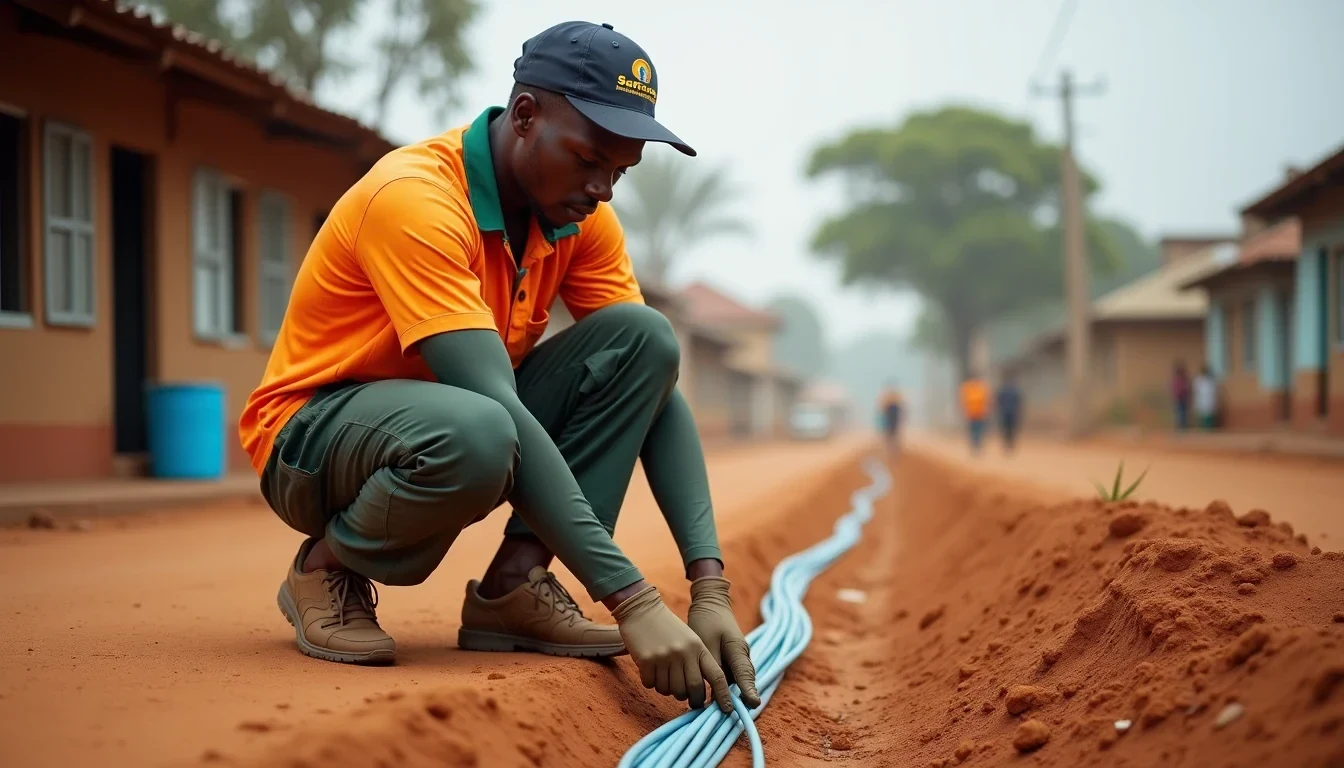
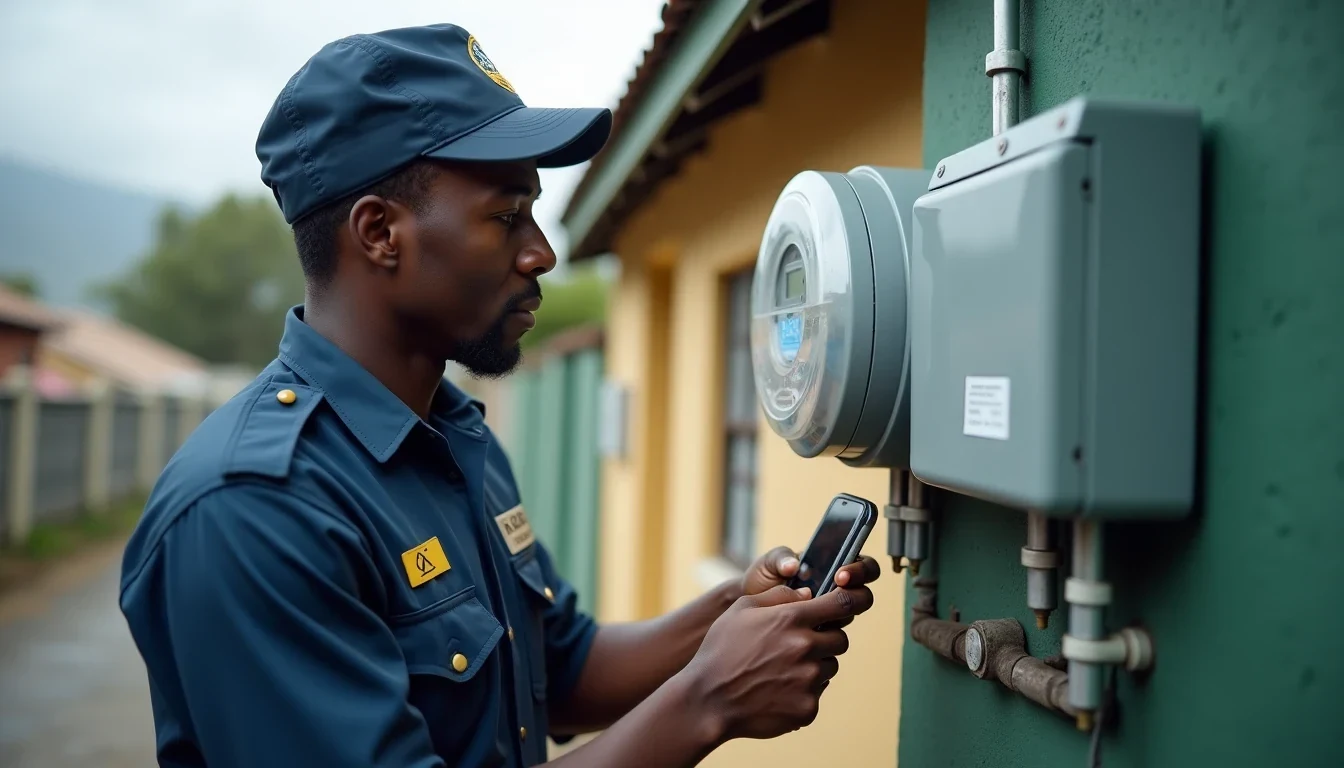
Alarm systems, point-of-sale machines, vehicle trackers, remote meters, and older monitoring gear were built for long lives and cheap connections. They are everywhere. They are also the sort of devices that do not get replaced on a neat consumer upgrade cycle.
Across the market, operators have been vague about the scale of the legacy base they still carry. Vodacom, Telkom, and Cell C all have customers and connected devices that still depend on 2G or 3G, but public numbers are thin. That silence is convenient for the networks and unhelpful for anyone trying to plan a migration.
The likely problem is large. Feature-phone users still exist in rural areas and lower-income households, but the bigger hidden load is machine-to-machine traffic. South African businesses, municipalities, and security firms may be dealing with millions of devices that cannot simply be patched over to the new world. They need replacement hardware, new contracts, and someone to pay for both.
A 4G phone is not automatically ready
The industry likes to talk as if a 4G handset solves the issue. It does not.
Voice calls can still fall back to older network layers if the phone, SIM, or local coverage does not support Voice over LTE. This means a user can buy what looks like a modern device and still be exposed to the very shutdown they assumed they had escaped.
Cheap handsets can become expensive mistakes. Entry-level 4G phones in South Africa usually sit somewhere between R400 and R1,000 outside operator promotions. MTN’s R99 offer is far below that, but it is limited to selected prepaid customers and does not rewrite the retail market.
Many budget phones also carry compromises in daily use: small storage, slow processors, basic cameras, older Android builds, and patchy software support. Battery life is another weak spot. A basic feature phone can run for days. A cheap smartphone often cannot, especially when the electricity cuts out and charging windows shrink.
Who gets hit first
The first people in trouble are obvious. Users with 2G-only or 3G-only phones will be cut off when the old networks disappear.
The second group is less obvious and probably bigger. It includes people with 4G phones that are not VoLTE-ready, people with SIMs that have not been properly upgraded, and people in places where the newer voice layers are not reliable enough to carry calls consistently.
Businesses face a sharper version of the same problem. A retailer can lose payment capability. A security company can lose monitoring links. A fleet operator can lose visibility over vehicles. A municipality can find that part of its metering system still speaks an obsolete language.
For those groups, the shutdown is a continuity risk.
The checks that have to happen now
Users need to do three basic checks.
- Confirm the phone is 4G capable
- Check whether VoLTE is turned on and supported
- Ask the operator whether the SIM and local coverage are ready for voice over LTE
Businesses need a fuller audit. Every connected alarm, terminal, tracker, and meter has to be listed, matched to its radio standard, and assigned a replacement path. This means talking to vendors, checking whether LTE-M or NB-IoT is appropriate in specific cases, and budgeting for hardware, installation, and downtime.
The cost is the part most people are avoiding. Upgrading one handset is a consumer bill. Upgrading a distributed device estate is a capital project.
The 2027 deadline still looks tight
The deadline may survive as policy, but as an operational target it looks strained. MTN’s handset program shows one operator is moving. It does not show the market is anywhere near ready.
A hard shutdown by the end of 2027 would require fast coordination between operators, device makers, distributors, businesses, and ordinary users. That is a tall order when the country still has so many hidden dependencies on older networks and so many people who will not discover their problem until a call drops or a terminal goes dark.
The safer assumption is that the old networks will outlive the neatest timeline on paper, unless the industry starts naming the real scale of the problem instead of pretending a discounted phone is the whole answer.