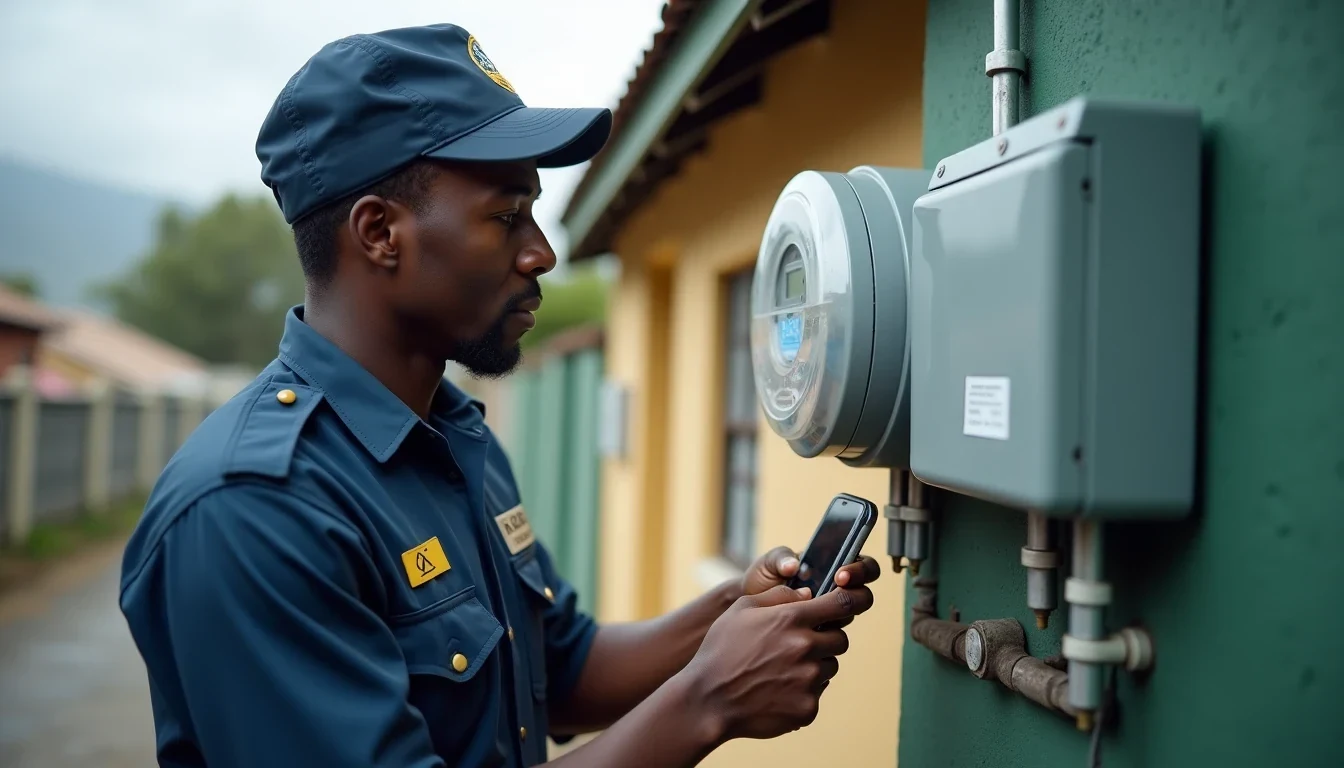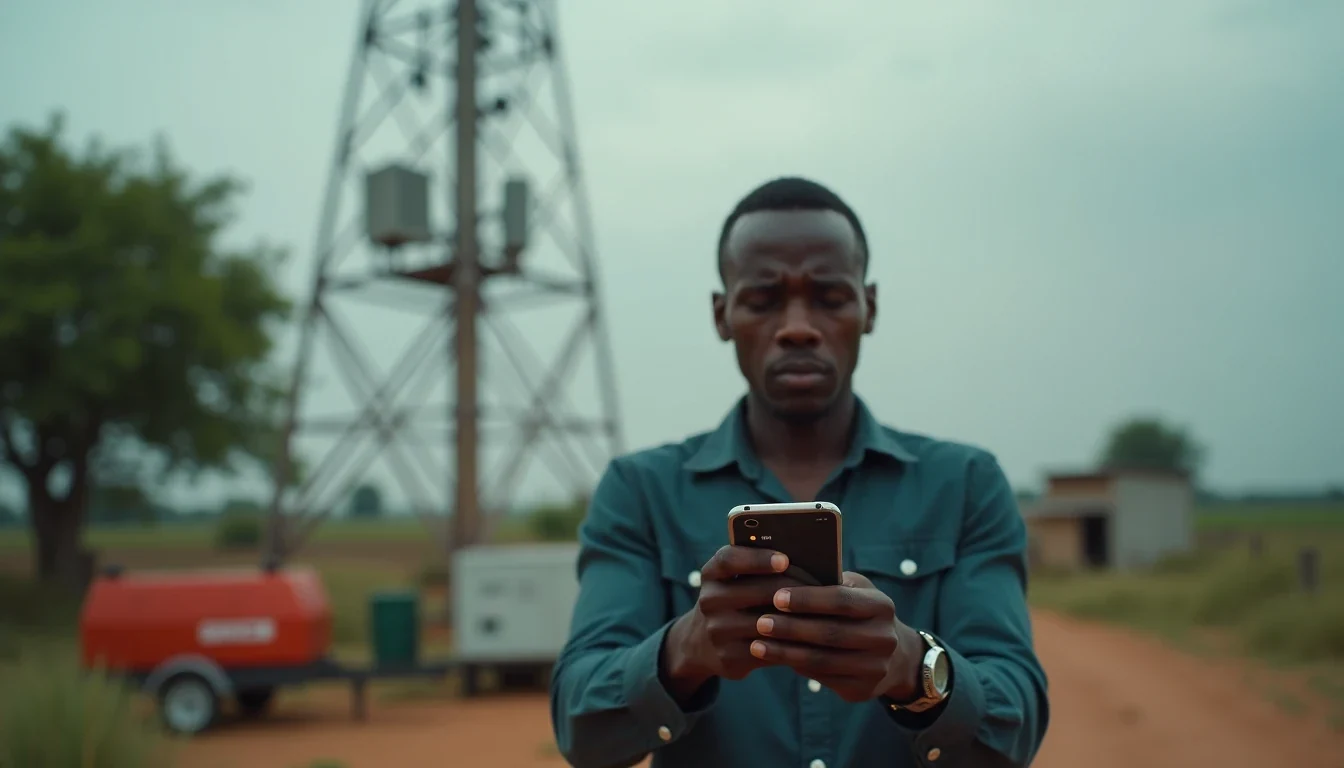

Heart FM is turning a Goldrush cash giveaway into a live test of how a Cape Town station reaches listeners who are far more likely to answer on WhatsApp than on a landline. The entry route is a WhatsApp message, not a call centre queue or a clunky form, which reveals much about current audience habits.
The station has adapted for years. It began in July 1997 as P4 Radio, built early momentum with a pure jazz line-up, and pulled in a wealthy Cape audience before becoming a familiar home fixture across the city. By 2006 it had changed into Heart 104.9 FM, then later stripped out the frequency and settled on Heart FM, a cleaner commercial identity built for a wider crowd. In 2013, the signal stretched beyond Cape Town into Drakenstein, the West Coast, Swartland, Overberg and Overstrand, turning a city station into a provincial habit.
A station that kept moving with its audience
The current campaign sits on top of that history. Heart FM still trades on local trust, but it no longer acts like a station that expects listeners to stay in one place, on one device, or in one routine. It now presents itself as a polished, independent platform with a strong provincial voice, and it uses broadcast, online channels and social platforms to keep that relationship active.
This is the more interesting part of the Goldrush promotion. The money is the hook, obviously. The method is the story. A radio station that once lived almost entirely inside FM broadcasting now uses mobile messaging as the first point of contact, and the competition becomes a neat example of how Heart FM is trying to hold Cape listeners across radio and phone.
The station’s Goldrush competition page, which lays out the rules, is part of that shift. It sits inside a broader reality most broadcasters have accepted already: if you want participation, you have to meet people where their attention already is, and that place is usually WhatsApp.
How the competition works
The run started on 17 August and continues until 26 September. Listeners enter by sending the keyword `#Goldrush` to `082 222 1049`. After that, the format gets more layered. If Heart FM phones a verified entrant live on air, the listener has to respond with the required line, “Goldrush Show Me the Money”.
From there, the payout depends on status.
- Registered Goldrush.co.za members get `R5,000` immediately and move into the Vault Game.
- Non-members receive `R2,500`.
- Registered Goldrush.co.za members receive the higher opening prize and access to the Vault.
The Vault is where the promotion gets noisy. Cash amounts are called out live, with figures such as `R500`, `R2,000`, `R9,000`, `R11,000` and `R20,000` mentioned as the game unfolds. The rule is simple and unforgiving. Shout `CASHOUT` before the vault shuts and you keep the last amount announced. Miss the window and the extra amount disappears. There is no stacking, no rolling accumulation, just the final number you managed to hold.
This is a neat fit for radio because it turns a passive audience into an active one. The listener is not only waiting for the presenter; they are waiting for their own chance to interrupt the script.
The money on offer
The headline figure is large enough to do the work on its own. The campaign advertises `R1 million` in instant daily prizes, which gets attention even from people who never expect to win anything. The bigger closing act comes on Grand Prize Day, set for `25 September`.
On that day, The Nigel Pierce Show and the Heart Squad will go out in the OB van, which is the right old-school touch for a promotion that still depends on live voices and surprise visits. Three listeners who have entered will each be surprised at home or at work with `R100,000`.
That part is smartly staged. A massive prize on air is one thing. Showing up at someone’s front door or office is another. The second version is the one people remember, because it ties the station back to the actual geography of daily life, not just the sound of a jingle between traffic updates.
What mobile changes
WhatsApp is doing the real work here. It lowers the cost of entry, strips out friction and gives the station a direct line into a listener’s phone without asking them to learn anything new. In practice, that beats a web form when the audience is broad and mobile-first.
It also gives traditional media a cleaner way to stay relevant. Heart FM does not have to pretend it is a tech company. It just has to act like a broadcaster that understands how people now move between radio, chat apps, social feeds and websites in the same hour. That is the connected-life part of this story. The station is no longer competing only with other stations. It is competing with every other notification on the phone.
The wider lesson is not subtle. Established media brands survive when they turn their audience habits into a usable funnel. Heart FM’s mix of FM presence, WhatsApp entry and online registration shows how that funnel now works in real life.
Goldrush.co.za is licensed by the Northern Cape Gambling Board. No one under 18 may gamble. Winners know when to stop. The National Responsible Gambling Program toll-free number is `0800 006 008`. All online bets are placed at fixed odds, and terms and conditions apply.