Mobile data has become part of the monthly essentials for many South Africans. It keeps people working, studying, messaging, navigating, banking, and streaming when fixed-line internet is unavailable or unreliable. The problem is that data still feels like a moving target: bundles expire, apps keep refreshing, and the cheapest-looking plan is not always the best value once you count coverage, speed, and how you actually use your phone.
The good news is that saving money on mobile data is not about giving up connectivity. It is about matching the right bundle to the right habits, then removing the hidden waste that quietly eats through your balance. Once you understand the basic options and build a few simple controls into your phone, mobile data becomes much easier to manage.
Know What You Are Buying
South African mobile data products usually fall into a few broad groups. Prepaid bundles are the most familiar: you pay first, get a fixed amount of data, and use it until the bundle runs out or expires. These may last a day, a week, a month, or even longer. Some operators also sell personalised prepaid deals, such as Vodacom’s Just4You, MTN’s BozzaGigs, and Cell C’s MegaBonus promotions.
Postpaid deals are usually tied to a contract and give you a set monthly allowance, sometimes with topping-up available when you run short. Hybrid plans sit between the two and are useful for people who want the predictability of a contract but still need the flexibility to buy more data during busy months. Telkom’s FreeMe range is a good example: it mixes monthly data with calling benefits and free WhatsApp data.
If your usage is steady, longer-validity bundles can be better value than small short-term ones. Some operators also offer 60-day, 90-day, or even 365-day data packages, which often work out cheaper per gigabyte for people who can plan ahead.
There are also bundles designed for a specific type of use, such as WhatsApp or other social platforms. These can help, but read the fine print carefully. In many cases, they cover only data inside the app, not voice or video calling through that service.
Heavy users may look at uncapped offers. Rain, for example, sells unlimited 5G plans for certain devices, but these come with fair-use limits that can slow speeds after 100GB or 200GB, depending on the package. That is fine for many households, but it is not the same as truly unlimited internet.
Track Usage Before It Triggers Panic
The fastest way to overspend is to wait until your data is almost finished before checking it. Modern phones already have tools that show which apps use the most data, and they can warn you before you run out. Android users can switch on Data Saver, set a monthly limit, and block background data on selected apps. iPhone users can use Low Data Mode and inspect per-app usage.
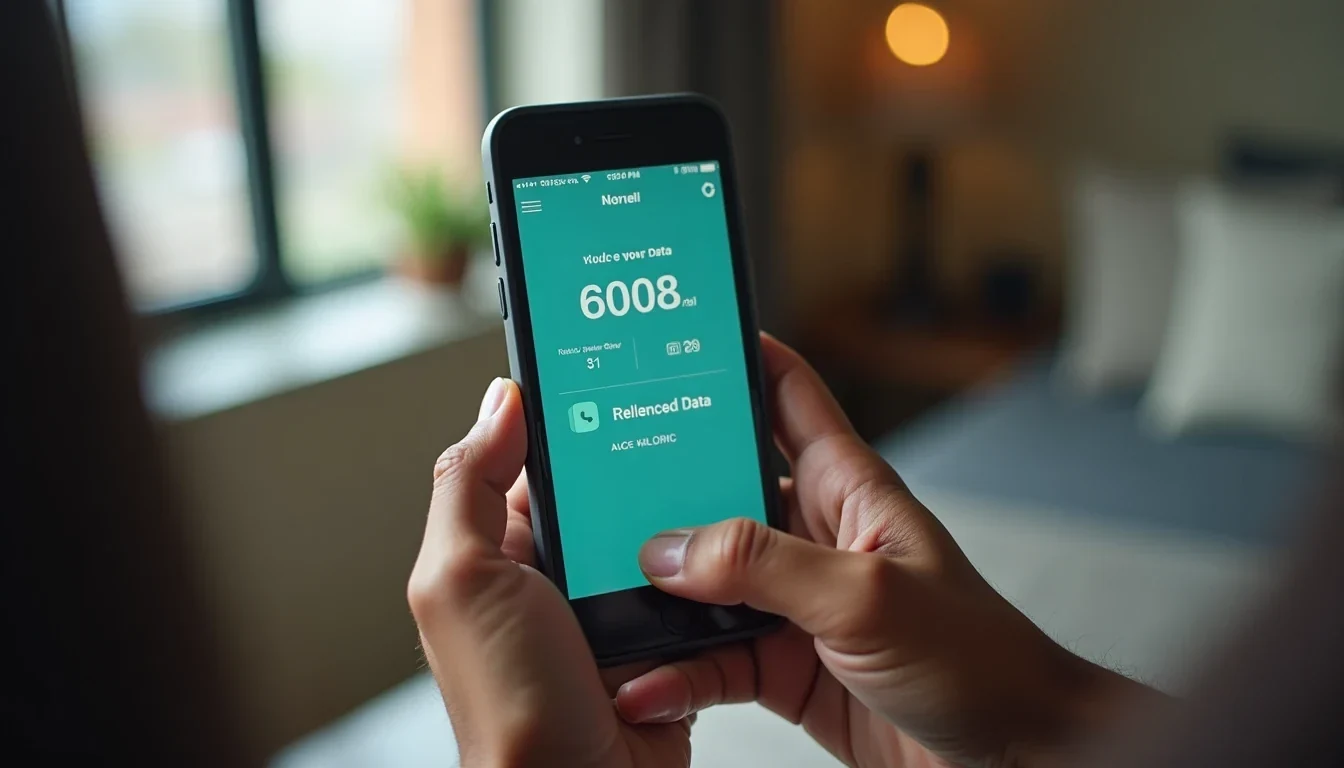
Your network also gives you ways to check balances. Vodacom uses `136#`, MTN `141#`, Cell C `147#`, and Telkom Mobile `180#`. All of the major operators also have apps that show balances, history, and bundle options in one place.
If you are serious about control, set warnings at around 80% of your monthly limit. That gives you time to slow down before the bundle disappears. Also turn off Wi-Fi Assist on iPhone or Smart Network Switch on Android if you do not want the phone silently jumping to mobile data when your Wi-Fi weakens.
Cut Waste Where It Starts
The easiest savings often come from the settings inside the apps you already use. Video autoplay is a classic data drain, especially on social feeds. Disable it where possible. Set WhatsApp and similar apps to download media only on Wi-Fi. Keep app updates on Wi-Fi too, because background updates can burn through a bundle without you noticing.
Streaming is another major cost driver. If you are watching YouTube or Netflix on mobile data, lower the quality. Dropping from HD to 480p can make a meaningful difference over a month. The same logic applies to music and podcasts: download them on Wi-Fi and listen offline later.
Browsers and social apps can also help. Chrome, Opera Mini, Facebook Lite, and similar data-saving versions compress content before it reaches your device. They are not glamorous, but they are practical.
Use Your Rights
South African consumers have protections around data expiry and rollover. ICASA’s service charter rules require a minimum validity period of 10 days for data bundles. They also give users the right to carry over unused data when a new bundle is bought before the old one expires. In practice, rollover periods can differ by network, but many operators keep the carried-over data available for up to six months.
The same regulations also require usage warnings at 50%, 80%, and 100%. That matters because it reduces the chance of unexpected out-of-bundle charges. You should also look for an option to opt out of out-of-bundle billing if you want the connection to stop instead of billing you at a higher rate when your bundle is finished.
Pick Value, Not Just Price
The cheapest headline number is not always the best deal. Axxess, FNB Connect, and Afrihost often compete aggressively on price because they operate as MVNOs, using the larger networks underneath them. Axxess, for instance, can offer bundles from R39 for 1GB, sometimes with longer expiry periods such as 60 days.
Telkom Mobile often appeals to price-conscious users with sharp data deals and value-heavy packages. Cell C also tends to lean into promotions and bonus offers. If you want very large volumes of data and strong 5G performance, Rain may fit better. If you need broad coverage and reliability across different parts of the country, Vodacom and MTN still justify their higher pricing for many users.
The right choice depends less on brand loyalty and more on where you live, how often you travel, whether you need calls, and how much data you genuinely use.
Watch the Hidden Triggers
Load shedding can change your data bill overnight. When the power goes out, home Wi-Fi routers go down too, and suddenly your phone becomes the main internet connection for everything. That means streaming, video calls, and even work downloads shift onto mobile data. Congested networks during outages can also tempt people to refresh pages or retry failed loads, which only adds to consumption.
That is why a simple habit matters: before a high-data task, ask whether it can wait for Wi-Fi. If it can, do it later. If it cannot, lower quality, download less, and keep an eye on the meter.
Mobile data does not have to be a source of monthly frustration. Once you choose bundles with clearer expiry, track usage regularly, and strip out the silent waste from apps and settings, your phone becomes cheaper to run and easier to live with.